
LaMontagne Gallery is pleased to present waiting for my man, a solo exhibition by Steve Locke, whose decades long interdisciplinary practice interrogates the uneasy relationship between beauty and violence in American visual culture. Across painting, drawing, sculptures, and installations, Locke uses figuration as a mode in which history, desire, spectacle, and justice are reconsidered.
“There is no magic. There is only justice”
The conceptual core of Locke’s practice skirts under this ethical framework that insists viewers to confront uncomfortable truths rather than passively consume images. His paintings, installations, and sculptural constructions nods at what is at stake in looking at bodies, histories, and ourselves. Locke’s work ensures that we cannot look away and implicates viewers in the moral terrain the work reveals.
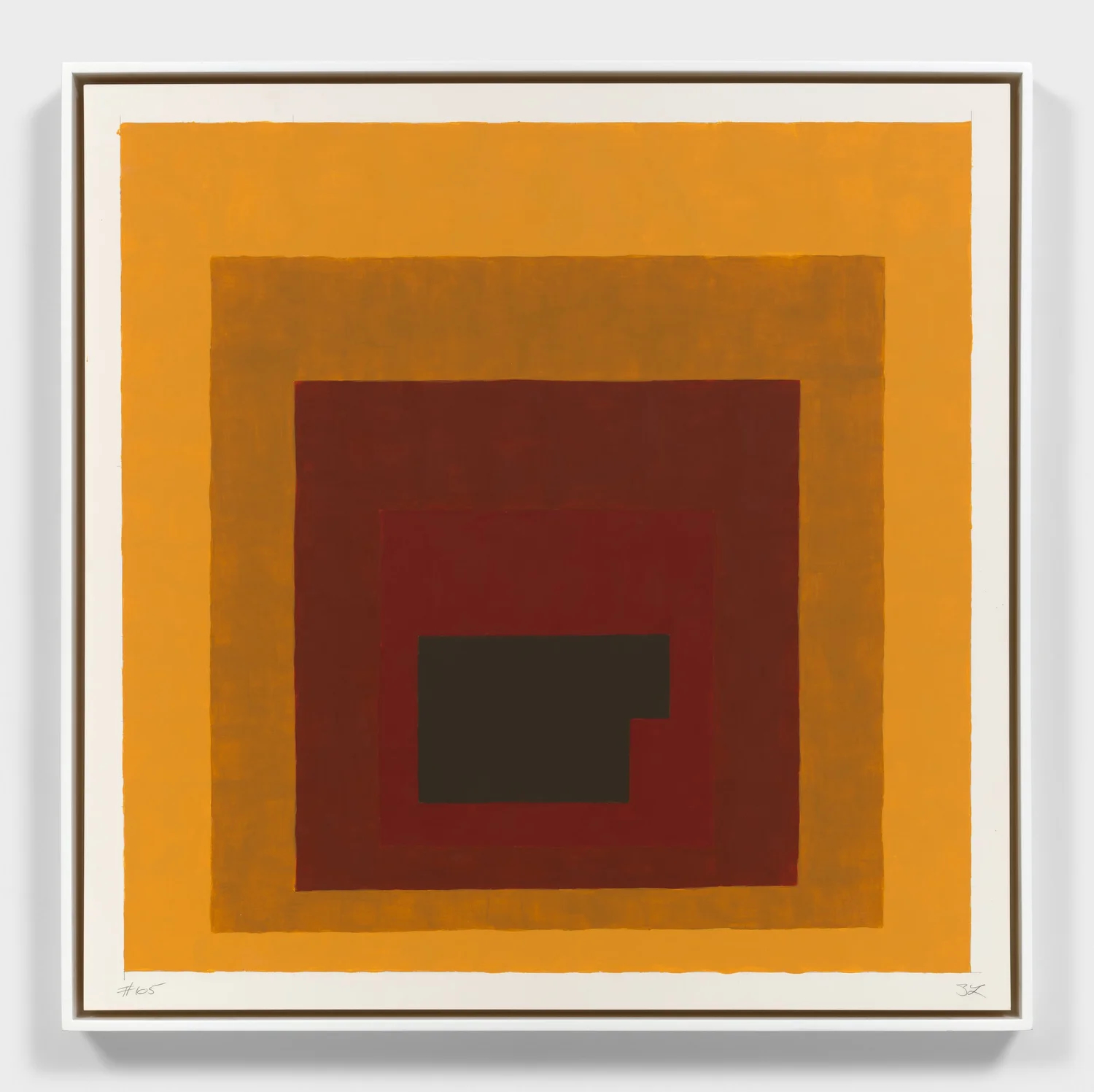
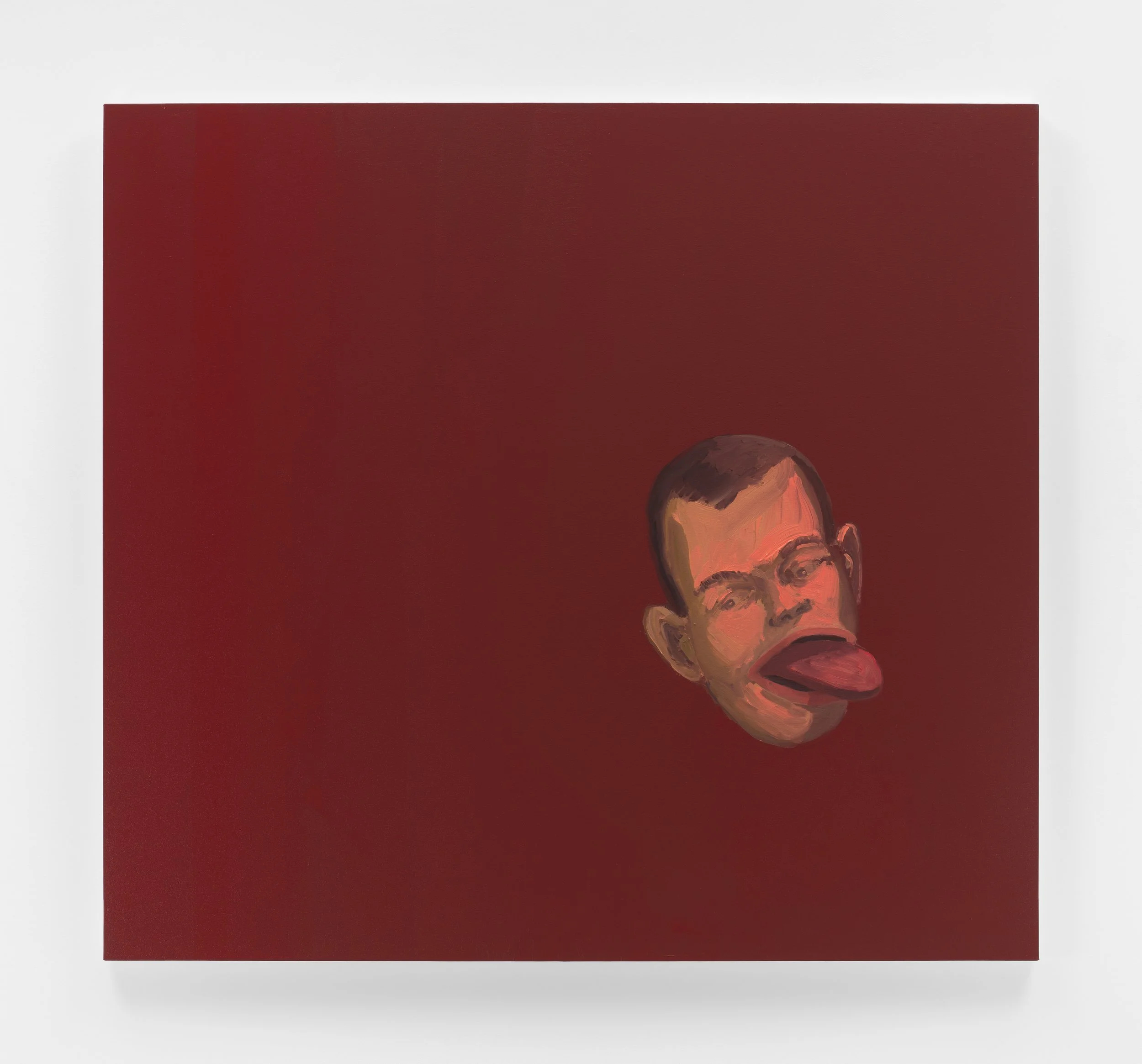
Throughout his career, Locke has returned to the human portrait as a recurring motif: disembodied, suspended, doubled, or isolated against fields of color. These figures might appear playful, erotic, absurd, or confrontational while carrying dense art historical and political resonances. The floating heads in “tongue paintings” for instance, employ expressive faces whose protruding tongues might signal humor, vulnerability, contempt, or historical violence simultaneously.
Likewise, cruisers series stages charged moments of eye contact between men, capturing fleeting encounters that reconcile between desire, anonymity, and risk. Locke’s work often addresses histories of radicalized violence and representation without depicting violence directly. Instead, he constructs situations in which its presence is felt as a constant pressure that “rarely announces itself but constantly makes itself known,” shifting from spectacle and towards structures of looking, complicity, and memory.
The exhibition waiting for my man continues this tradition of invoking longing, anticipation, and encounter - states that recur throughout Locke’s decades long practice. Whether staging charged gazes, isolating portraits, or suspending sculptural installation in space, his work positions viewers in consideration of expectations. Locke poses a question of not what we see but what seeing reveals about us.


